<?xml version="1.0" encoding="utf-8"?><feed xmlns="http://www.w3.org/2005/Atom" ><generator uri="https://jekyllrb.com/" version="3.10.0">Jekyll</generator><link href="https://sizovs.net/feed.xml" rel="self" type="application/atom+xml" /><link href="https://sizovs.net/" rel="alternate" type="text/html" /><updated>2026-11-10T06:23:22+00:00</updated><id>https://sizovs.net/feed.xml</id><title type="html">Eduard Sizov</title><subtitle>Eduard Sizov blogging about programming, career, soft skills for experienced developers; at least one new post every month.</subtitle><author><name>Eduard Sizov</name></author><entry><title type="html">Choose boring tools</title><link href="https://sizovs.net/boring/" rel="alternate" type="text/html" title="Choose boring tools" /><published>2023-03-12T00:00:00+00:00</published><updated>2023-03-12T00:00:00+00:00</updated><id>https://sizovs.net/boring</id><content type="html" xml:base="https://sizovs.net/boring/"><![CDATA[<p>You only start to appreciate boring tools when you run your software in production.</p>

<p>It’s hard to choose tools nowadays because there are so many of them, and marketing departments work hard to sell you the magic by pushing the right buttons: “infinite scale”, “cloud-native”, “edge-ready”…</p>

<p>But marketing teams don’t run the software. Engineers do. In prod, all marketing slogans lose their spell because the <em>real</em> network, hardware, and software limitations eat marketing for breakfast. Not understanding fundamental tech limitations, algorithms, and capacity planning makes engineers fall prey to marketers selling magic. And magic isn’t fun when you’re in prod.</p>

<p>Once you have a basic understanding of ProductionOps, your life becomes much easier, because the list of tools worth considering shrinks by 1000x. You only consider tools that have been around for decades. Reliable tools that you know, understand, and trust.</p>

<ul>
  <li>Need a DB? Postgres or MySQL.</li>
  <li>Need a KV store? Redis.</li>
  <li>Need a load balancer? Nginx.</li>
  <li>Instead of k8s, shell script to deploy and run your apps. 99% of software that runs k8s doesn’t need k8s. Don’t pay complexity tax until you need it.</li>
  <li>Instead of microservices, scale your majestic monolith vertically until IPO.</li>
</ul>

<p>Sounds boring? Then it’s a good tech stack.</p>

<blockquote>
  <p>A word on serverless: if you think that running “serverless” saves you from learning some capacity planning, load balancing, servers, connection pooling… Then wait until production. It will quickly reveal all your blind spots and get you back to learning fundamentals. No magic.</p>
</blockquote>

<p>The beauty of good old boring tools:</p>
<ul>
  <li>They’re well-documented and open-source. You can understand how they work and ask for help.</li>
  <li>You can run them locally or on your infra. Not through some ugly emulators. That simplifies development and testing.</li>
  <li>The time you invest in learning them is <a href="/frameworks">a fantastic investment</a>. They’ve been around for decades and stay even longer.</li>
</ul>

<p>Take-away?</p>
<ul>
  <li>In production, boring tools make you smile, and fancy tools make you cry.</li>
  <li>Choosing tools becomes a simple task when you shrink the list to boring and battle-proven tools.</li>
  <li>The administrative “complexity” vendors are trying to hide from you introduces even more complexity and mental overhead. They sell you scary things and deliberately call good things (like fundamental computer science and capacity planning) scary.</li>
  <li>Don’t fall victim to marketing and FOMO. Learn the basics of capacity planning, shell scripting, and learn to operate boring software. Running servers with quality software isn’t as scary as someone wants you to think.</li>
</ul>]]></content><author><name>Eduard Sizov</name></author><summary type="html"><![CDATA[You only start to appreciate boring tools when you run your software in production. It’s hard to choose tools nowadays because there are so many of them, and marketing departments work hard to sell you the magic by pushing the right buttons: “infinite scale”, “cloud-native”, “edge-ready”… But marketing teams don’t run the software. Engineers do. In prod, all marketing slogans lose their spell because the real network, hardware, and software limitations eat marketing for breakfast. Not understanding fundamental tech limitations, algorithms, and capacity planning makes engineers fall prey to marketers selling magic. And magic isn’t fun when you’re in prod. Once you have a basic understanding of ProductionOps, your life becomes much easier, because the list of tools worth considering shrinks by 1000x. You only consider tools that have been around for decades. Reliable tools that you know, understand, and trust. Need a DB? Postgres or MySQL. Need a KV store? Redis. Need a load balancer? Nginx. Instead of k8s, shell script to deploy and run your apps. 99% of software that runs k8s doesn’t need k8s. Don’t pay complexity tax until you need it. Instead of microservices, scale your majestic monolith vertically until IPO. Sounds boring? Then it’s a good tech stack. A word on serverless: if you think that running “serverless” saves you from learning some capacity planning, load balancing, servers, connection pooling… Then wait until production. It will quickly reveal all your blind spots and get you back to learning fundamentals. No magic. The beauty of good old boring tools: They’re well-documented and open-source. You can understand how they work and ask for help. You can run them locally or on your infra. Not through some ugly emulators. That simplifies development and testing. The time you invest in learning them is a fantastic investment. They’ve been around for decades and stay even longer. Take-away? In production, boring tools make you smile, and fancy tools make you cry. Choosing tools becomes a simple task when you shrink the list to boring and battle-proven tools. The administrative “complexity” vendors are trying to hide from you introduces even more complexity and mental overhead. They sell you scary things and deliberately call good things (like fundamental computer science and capacity planning) scary. Don’t fall victim to marketing and FOMO. Learn the basics of capacity planning, shell scripting, and learn to operate boring software. Running servers with quality software isn’t as scary as someone wants you to think.]]></summary></entry><entry><title type="html">The safe box</title><link href="https://sizovs.net/safe/" rel="alternate" type="text/html" title="The safe box" /><published>2022-12-22T00:00:00+00:00</published><updated>2022-12-22T00:00:00+00:00</updated><id>https://sizovs.net/the-safe-box</id><content type="html" xml:base="https://sizovs.net/safe/"><![CDATA[<p>Imagine you are a technician. Someone hired you to repair a locked safe box for a fixed price of 100$. You agreed.</p>

<p>You open a safe and see 1,000,000$ in it. A person who hired you is wealthy.</p>

<p>A poor logic that burned some people I know is the following:</p>

<p>The safe holds 1,000,000$. You opened it for 100$. It’s only 0.01% of the wealth it holds. “I work for *nothing* compared to how valuable the safe and its content are. I want a bigger cut”.</p>

<figure>
<img src="/images/abu.png" />
<figcaption>Abu in the cave of Wonders</figcaption>
</figure>

<p>Clouded by greed, you’re overestimating and mispricing your services because you adjust pricing not based on *your work* but on *how wealthy someone else is*. This is a broken and short-sighted thinking model that won’t take you far.</p>

<p>So you go:</p>

<p>— Now I want 200$ for that job! I won’t do it for less.</p>

<p>❌ <strong>At this point, you’re shooting yourself in the foot, because:</strong></p>

<ul>
  <li>You’re counting and trying to appropriate the money that is not yours.</li>
  <li>You’re using elements of chantage (pay me more, otherwise…)</li>
  <li>You’re attempting to break the agreement changing the rule of the game in the middle of the game.</li>
</ul>

<p>This is a lose-lose strategy because:</p>

<ul>
  <li>You won’t get 200$ (or the customer doesn’t understand the power of the agreement, which I doubt, because he is wealthy)</li>
  <li>You’re risking being said “bye” and not getting even the original 100$ because paying you means supporting unethical practices and not paying someone else who’s more ethical and hence deserves it more.</li>
  <li>You’ll never get another call. Stories spread, and that’s how reputation is built – good or not.</li>
</ul>

<p><strong>Outcome</strong>: High probability of getting nothing (0$). Limited and low upside (100$). No business in the future. Reputational damage. Higher cost of acquisition.</p>

<p>✅ Ok, what would be a win-win scenario?</p>

<p>— You fix the safe, meet or beat expectations, and thank the customer for using your services. You also note that annual preventive maintenance of the safe would ensure it never breaks again. Before leaving, you mention that in addition to service A, you also offer B, C, and D, ask if there is anything else you can help with now, leave your business card, and say goodbye. As a result, and with a very high likelihood:</p>

<ul>
  <li>The customer will invite you again for service A. You’ve turned a one-off deal into a recurring business. 100$ becomes 100$ x N.</li>
  <li>The customer will invite you to do services B, C, or D. For these services, you can charge more.</li>
  <li>The customer will recommend your services A, B, C, and D to others. Every new happy customer will bring more.</li>
  <li>Next time, and also as demand increases, you can consider charging more $.</li>
</ul>

<p><strong>Outcome</strong>: The “worst” case is 100$. More business in the future. Word of the month works for you. Lower cost of acquisition. Unlimited upside.</p>

<p>💡 Less obvious: luck is when preparation meets opportunity. By doing a great job, you’re preparing yourself for opportunities that are hard to imagine. For example, a friend of a friend of your customer is running or building a company and looking for an ethical, reliable, skilled professional and now wants to talk to you. Are you lucky? No. You prepared yourself for luck. Conversely, doing a disservice to your customers closes many doors you don’t even know exist.</p>

<p><strong>Remember</strong>: if you’re playing a long-term game, you should think and act long-term. Always keep in mind that in the long term, what’s good for your customer is also good for you. What’s bad for your customer is not good for you. I am talking about the long-term.</p>

<p>And even if fixing safe boxes and behaving ethically doesn’t guarantee wealth and success (however you define it), taking shortcuts or working unethically  – is a recipe for staying poor forever.</p>

<p>📚 To make this post more practical, I want to recommend a few books on the topic:</p>
<ul>
  <li>The Almanack of Naval Ravikant: A Guide to Wealth and Happiness</li>
  <li>Rich Dad, Poor Dad (Kiyosaki)</li>
  <li>The Richest Man in Babylon (Clason)</li>
</ul>

<p>Hope you learned something.</p>]]></content><author><name>Eduard Sizov</name></author><summary type="html"><![CDATA[Imagine you are a technician. Someone hired you to repair a locked safe box for a fixed price of 100$. You agreed. You open a safe and see 1,000,000$ in it. A person who hired you is wealthy. A poor logic that burned some people I know is the following: The safe holds 1,000,000$. You opened it for 100$. It’s only 0.01% of the wealth it holds. “I work for *nothing* compared to how valuable the safe and its content are. I want a bigger cut”. Abu in the cave of Wonders Clouded by greed, you’re overestimating and mispricing your services because you adjust pricing not based on *your work* but on *how wealthy someone else is*. This is a broken and short-sighted thinking model that won’t take you far. So you go: — Now I want 200$ for that job! I won’t do it for less. ❌ At this point, you’re shooting yourself in the foot, because: You’re counting and trying to appropriate the money that is not yours. You’re using elements of chantage (pay me more, otherwise…) You’re attempting to break the agreement changing the rule of the game in the middle of the game. This is a lose-lose strategy because: You won’t get 200$ (or the customer doesn’t understand the power of the agreement, which I doubt, because he is wealthy) You’re risking being said “bye” and not getting even the original 100$ because paying you means supporting unethical practices and not paying someone else who’s more ethical and hence deserves it more. You’ll never get another call. Stories spread, and that’s how reputation is built – good or not. Outcome: High probability of getting nothing (0$). Limited and low upside (100$). No business in the future. Reputational damage. Higher cost of acquisition. ✅ Ok, what would be a win-win scenario? — You fix the safe, meet or beat expectations, and thank the customer for using your services. You also note that annual preventive maintenance of the safe would ensure it never breaks again. Before leaving, you mention that in addition to service A, you also offer B, C, and D, ask if there is anything else you can help with now, leave your business card, and say goodbye. As a result, and with a very high likelihood: The customer will invite you again for service A. You’ve turned a one-off deal into a recurring business. 100$ becomes 100$ x N. The customer will invite you to do services B, C, or D. For these services, you can charge more. The customer will recommend your services A, B, C, and D to others. Every new happy customer will bring more. Next time, and also as demand increases, you can consider charging more $. Outcome: The “worst” case is 100$. More business in the future. Word of the month works for you. Lower cost of acquisition. Unlimited upside. 💡 Less obvious: luck is when preparation meets opportunity. By doing a great job, you’re preparing yourself for opportunities that are hard to imagine. For example, a friend of a friend of your customer is running or building a company and looking for an ethical, reliable, skilled professional and now wants to talk to you. Are you lucky? No. You prepared yourself for luck. Conversely, doing a disservice to your customers closes many doors you don’t even know exist. Remember: if you’re playing a long-term game, you should think and act long-term. Always keep in mind that in the long term, what’s good for your customer is also good for you. What’s bad for your customer is not good for you. I am talking about the long-term. And even if fixing safe boxes and behaving ethically doesn’t guarantee wealth and success (however you define it), taking shortcuts or working unethically – is a recipe for staying poor forever. 📚 To make this post more practical, I want to recommend a few books on the topic: The Almanack of Naval Ravikant: A Guide to Wealth and Happiness Rich Dad, Poor Dad (Kiyosaki) The Richest Man in Babylon (Clason) Hope you learned something.]]></summary></entry><entry><title type="html">How I ditched sprints (and regretted it)</title><link href="https://sizovs.net/sprints/" rel="alternate" type="text/html" title="How I ditched sprints (and regretted it)" /><published>2022-11-29T00:00:00+00:00</published><updated>2022-11-29T00:00:00+00:00</updated><id>https://sizovs.net/how-i-ditched-sprints</id><content type="html" xml:base="https://sizovs.net/sprints/"><![CDATA[<p>A story from experience:</p>

<p>Many years ago, I was leading tech efforts in one international organization. We were using Scrum and 2-week iterations. Everything went well, we were conquering the market, and our customers were happy with our 2-week delivery cycle.</p>

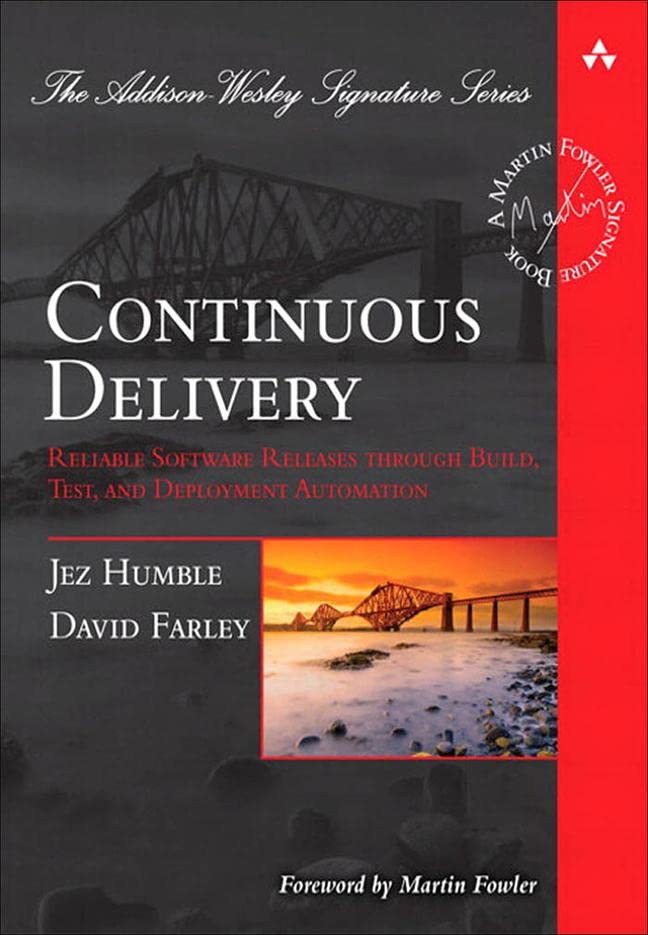
<p>It was 2010 – a year a fantastic book about Continuous Delivery was published:</p>

<figure>
<a href="https://www.goodreads.com/book/show/8686650-continuous-delivery">
    <img src="/images/continuous.jpg" width="400px" />
</a>
</figure>

<hr />

<p>Even today, it’s still one of my favorite books. I was very excited about the continuous delivery idea and the doors it can open. Thanks to the practices described in the book, I envisioned the future with no sprints, no planning, and no promises. I just wanted to focus on the flow and deliver things as soon as they’re done, and respond to annoying and difficult “when it’s going to be done?” like John Carmark:</p>

<blockquote>
  <p>“It’s done when it’s done.”</p>
</blockquote>

<p>I became a victim of Confirmation Bias: even though the book didn’t say a word about ditching sprints, because sprinting wasn’t easy and I didn’t see much value in it, that’s was the main message I took away from the book.</p>

<p>Working in iterations stopped making any sense to me. When talking to my colleagues engineers, sprinting didn’t make much sense to them either (Confirmation Bias?). I also strongly believed that switching from iterative to continuous delivery would make the business happy because they’ll get solutions in their hands sooner. I was telling myself and everybody a story that sprinting is old school, sprinting is a limiting factor in our company, and it’s something we need to fix asap, because “every business needs it”.</p>

<p><strong>Like a crusader, I saw it as a battle to the death for souls that if not saved will be forever lost.</strong></p>

<figure>
    <img src="/images/crusader.jpg" width="400px" />
</figure>

<p>So, backed by my enthusiasm and powerpoint, armed by a cooked-up support of Jez Humble and Dave Farley, whom I deeply admire, I sold the solution (to a non-existing problem) to the business. Then I started switching teams, one by one, from sprints to kanban-ish workflow.</p>

<p>And it worked as expected. Sprints and Scrum with all its iterations, ceremonies, and plannings, and promises, and retros, have been replaced with… Nothing. At the beginning it was refreshing and fun. It’s like that feeling of total freedom when you stop living with parents for the first time :-) But over time, the negative side-effects a young engineering manager could not anticipate, began to pop up:</p>

<h3 id="1️⃣-spontaneous-and-uncoordinated-continuous-deliveries">1️⃣ Spontaneous and uncoordinated “continuous deliveries”</h3>

<p>We started demo-ing new things to the business (sponsors) more often – many times a week, sometimes daily. We were delivering things sooner, but also unpredictably and spontaneously:</p>

<figure>
    <img src="/images/message.gif" width="400px" />
</figure>

<hr />

<p>Nobody knew when the delivery team would come. We came unexpectedly and we came from nowhere, bringing new functionality, changes, and a cool demo with us. And because changes often affected people with different levels of seniority working in different departments, unpredictability had a ripple effect on the whole org.</p>

<p>A bi-weekly sprint demo was a highly anticipated ceremony: all affected and interested parties knew what to expect, when, and were able to prepare for it. Together with sprints, sprint demos were gone. Instead, we’ve got hundreds of spontaneous and uncoordinated “continuous deliveries”, causing stress, anxiety, and company-wide interruptions and context-switching.</p>

<p>💡 As a result, we started receiving even <em>more</em> questions like “when something is going to be done?”. Not like we want you to move faster… We just want to know when in order to prepare better. Ideally, at least a week in advance. Like with these sprints we had before.</p>

<h3 id="2️⃣-a-death-by-a-thousand-plannings">2️⃣ A death by a thousand plannings</h3>

<p>As we ditched the sprint backlog, bi-weekly sprint planning was also gone. Instead of asking business to set priorities bi-weekly, on dates known in advance, and letting them prepare and plan their schedule, we were asking what they want <em>every day</em>. At random times.</p>

<p>At first it was fun, but the mood quickly turned into annoyance. Nobody knew when engineers would come for talks. When engineers came, some relevant people were not available. That also had a negative effect on the team’s morale and caused waiting. Sometimes we had to reschedule the planning many times in a row.</p>

<p>Now we had <em>more</em> meetings than before. My colleague rightfully called it a slow death by a thousand plannings. And asked to return bi-weekly planning <code class="language-plaintext highlighter-rouge">¯\_(ツ)_/¯</code>.</p>

<h3 id="3️⃣-customers-satisfaction-declined">3️⃣ Customers satisfaction declined</h3>

<p>Since we eliminated sprint planning and sprints, the level of trust and satisfaction with the delivery team began to decline (I was measuring it with NPS).</p>

<p>With Scrum, everything we planned in the sprint, the customers received in two weeks. We treated sprints seriously – as a commitment, a promise, and were successfully delivering on that promise, and were proud of that. That’s how we earned trust and respect.</p>

<p>Replacing a predictable iterative delivery with continuous delivery was perceived as a negative change: the customers saw the teams as less reliable, unable to plan, avoiding commitment, and also slower. Moreover, it was thought that the team is doing <em>less</em> than in the good old times of predictability and sprint demos full of new features and improvements. 📉</p>

<h3 id="summary">Summary</h3>

<p>Even though the switch from iterative to continuous delivery sounded like a good and logical move, the business didn’t like it. We were doing extremely well with 2-week sprints, and switching to a fully continuous mode made things worse. That also wasn’t the best use of my time. Moving in iterations, while occasionally delivering value continuously during the sprint, would be a better and safer move.</p>

<p><strong>What I thought customers wanted is not what they actually needed.</strong> Combined with successful sprinting experience (and cognitive biases like Certainty Effect that favors predictability), my customers asked to bring back the sprints. So I did. And the satisfaction level began to recover. 📈</p>

<h3 id="take-aways">Take-aways?</h3>
<ul>
  <li>There is no single best process that works equally well for all organizations.</li>
  <li>Predictability and fixed delivery cadence can trump speed. Sooner != Better.</li>
  <li>Predictability builds trust. To build trust, be predictable.</li>
  <li>Cognitive biases play a key role in how our work is perceived. Know it. Use it.</li>
  <li>Your assumptions what business wants can be flawed. Don’t assume. Verify.</li>
</ul>

<p>Hope you learned something.</p>]]></content><author><name>Eduard Sizov</name></author><summary type="html"><![CDATA[A story from experience: Many years ago, I was leading tech efforts in one international organization. We were using Scrum and 2-week iterations. Everything went well, we were conquering the market, and our customers were happy with our 2-week delivery cycle. It was 2010 – a year a fantastic book about Continuous Delivery was published:]]></summary></entry><entry><title type="html">A technical retrospective</title><link href="https://sizovs.net/tech-retro/" rel="alternate" type="text/html" title="A technical retrospective" /><published>2022-11-22T00:00:00+00:00</published><updated>2022-11-22T00:00:00+00:00</updated><id>https://sizovs.net/tech-retrospective</id><content type="html" xml:base="https://sizovs.net/tech-retro/"><![CDATA[<p>Over the years of working with many teams, I’ve done tech retros (biweekly) and found them helpful. It’s like a sprint retrospective but focused primarily on technical debt and code issues. Here’s how it works:</p>

<p>We create a Trello board to which engineers add stickies with architecture/design/code parts that slow them down or make them frustrated.</p>

<p>At the tech retro we:</p>
<ul>
  <li>Review, clean, and prioritize the list.</li>
  <li>Agree on who’s fixing what during the next 2 weeks.</li>
  <li>The next retro begins with reviewing the results.</li>
  <li>Repeat.</li>
</ul>

<p>We cap the list to ~15-20 items. The limit represents how much we can actually handle in a few months ahead. It feels much better and also more effective than maintaining an inventory of 1000+ items, most of which will you’ll never have time to do anyway.</p>

<p>Don’t be afraid of dropping items; if something is important – it will return.</p>

<p>In the end, you have three types of tech work:</p>
<ul>
  <li>Technical work as part of a user story/business problem.</li>
  <li>Technical work you can do when you have time/slack/buffer (tech retro work).</li>
  <li>Continuous refactoring (aka The Boyscout Rule) is part of the coding process and need not be planned.</li>
</ul>]]></content><author><name>Eduard Sizov</name></author><summary type="html"><![CDATA[Over the years of working with many teams, I’ve done tech retros (biweekly) and found them helpful. It’s like a sprint retrospective but focused primarily on technical debt and code issues. Here’s how it works: We create a Trello board to which engineers add stickies with architecture/design/code parts that slow them down or make them frustrated. At the tech retro we: Review, clean, and prioritize the list. Agree on who’s fixing what during the next 2 weeks. The next retro begins with reviewing the results. Repeat. We cap the list to ~15-20 items. The limit represents how much we can actually handle in a few months ahead. It feels much better and also more effective than maintaining an inventory of 1000+ items, most of which will you’ll never have time to do anyway. Don’t be afraid of dropping items; if something is important – it will return. In the end, you have three types of tech work: Technical work as part of a user story/business problem. Technical work you can do when you have time/slack/buffer (tech retro work). Continuous refactoring (aka The Boyscout Rule) is part of the coding process and need not be planned.]]></summary></entry><entry><title type="html">The Use/Reuse paradox</title><link href="https://sizovs.net/reuse/" rel="alternate" type="text/html" title="The Use/Reuse paradox" /><published>2022-11-22T00:00:00+00:00</published><updated>2022-11-22T00:00:00+00:00</updated><id>https://sizovs.net/use-reuse-paradox</id><content type="html" xml:base="https://sizovs.net/reuse/"><![CDATA[<p>What is easy to use is hard to reuse. What is easy to reuse is hard to use. This phenomenon is called the use/reuse paradox:</p>

<p>As we try to make code more reusable (more generic, more abstract, more customizable), we make it more difficult to use. Such code/module/library needs to be tailored to our context <em>and</em> the context of every individual consumer.</p>

<p>Moreover, the API of a highly reusable module will also be less convenient and more bloated because it should satisfy all consumers and their different requirements. As a result, every individual consumer will bear the cost of reusability.</p>

<p>On the other hand, as we make code more usable (more tailored to the specific context), we make it less reusable.</p>

<p>Usability vs. reusability is a design trade-off. Increasing one reduces the other, and a wrong balance harms the consumer. Therefore, to hit the sweet spot, you must always design the code with the consumer in mind (TDD helps a lot).</p>]]></content><author><name>Eduard Sizov</name></author><summary type="html"><![CDATA[What is easy to use is hard to reuse. What is easy to reuse is hard to use. This phenomenon is called the use/reuse paradox: As we try to make code more reusable (more generic, more abstract, more customizable), we make it more difficult to use. Such code/module/library needs to be tailored to our context and the context of every individual consumer. Moreover, the API of a highly reusable module will also be less convenient and more bloated because it should satisfy all consumers and their different requirements. As a result, every individual consumer will bear the cost of reusability. On the other hand, as we make code more usable (more tailored to the specific context), we make it less reusable. Usability vs. reusability is a design trade-off. Increasing one reduces the other, and a wrong balance harms the consumer. Therefore, to hit the sweet spot, you must always design the code with the consumer in mind (TDD helps a lot).]]></summary></entry><entry><title type="html">Be a good interviewer</title><link href="https://sizovs.net/interviewer/" rel="alternate" type="text/html" title="Be a good interviewer" /><published>2022-11-21T00:00:00+00:00</published><updated>2022-11-21T00:00:00+00:00</updated><id>https://sizovs.net/be-a-good-interviewer</id><content type="html" xml:base="https://sizovs.net/interviewer/"><![CDATA[<p>Many engineers see interviewing others as a waste of time, especially when an interview doesn’t result in a hire. <strong>My advice:</strong></p>

<p>Use interviews to boost your professional reputation and grow your network. Every ~30-60 minutes spent with a person should add 1x person to your personal fan club. And because people talk to each other, each fan will bring N more. The compound effect in action.</p>

<p>When people come to an interview, they generally have very low expectations due to negative past experience. Good news: when expectations are low, it’s easy to beat them.</p>

<p>When interviewing engineers, my main goal was to make every person walking out of an interview smarter, happier, and full of energy. When people are excited, they spread the word. That’s good for your <strong>employer</strong> and also for <strong>you</strong>.</p>

<p><strong>To summarize</strong>: being an interviewer who beats expectations is not only good for your current employer, but also for you, because your professional reputation and network are the capital that’s worth a million.</p>

<p>I hope that will make see interviews differently, and give you extra motivation to be a better interviewer, which is good for everyone – you, your company, and the candidates.</p>]]></content><author><name>Eduard Sizov</name></author><summary type="html"><![CDATA[Many engineers see interviewing others as a waste of time, especially when an interview doesn’t result in a hire. My advice: Use interviews to boost your professional reputation and grow your network. Every ~30-60 minutes spent with a person should add 1x person to your personal fan club. And because people talk to each other, each fan will bring N more. The compound effect in action. When people come to an interview, they generally have very low expectations due to negative past experience. Good news: when expectations are low, it’s easy to beat them. When interviewing engineers, my main goal was to make every person walking out of an interview smarter, happier, and full of energy. When people are excited, they spread the word. That’s good for your employer and also for you. To summarize: being an interviewer who beats expectations is not only good for your current employer, but also for you, because your professional reputation and network are the capital that’s worth a million. I hope that will make see interviews differently, and give you extra motivation to be a better interviewer, which is good for everyone – you, your company, and the candidates.]]></summary></entry><entry><title type="html">Simple is not easy</title><link href="https://sizovs.net/simple-not-easy/" rel="alternate" type="text/html" title="Simple is not easy" /><published>2022-10-31T00:00:00+00:00</published><updated>2022-10-31T00:00:00+00:00</updated><id>https://sizovs.net/simple-is-not-easy</id><content type="html" xml:base="https://sizovs.net/simple-not-easy/"><![CDATA[<p>“Keep it simple, stupid” is a good advice. It’s also an obvious one because, when solving problems, nobody is thinking: “How do I make things more complex than necessary?”. Engineers generally try to keep things simple. Yet, over-engineering is found on every corner, and we keep reminding our colleagues to KISS.</p>

<p><strong>So why is it so hard to follow KISS advice? 🤔</strong></p>

<p>KISS often means one of the following:</p>
<ul>
  <li>Don’t do unnecessary things.</li>
  <li>When doing things, prefer simple solutions.</li>
</ul>

<p>Both goals are hard to achieve. Here is why:</p>

<h3 id="1️⃣-we-dont-stay-with-problems-long-enough">1️⃣ We don’t stay with problems long enough</h3>
<p>One should always try to simplify a problem before attempting to solve it. Behind every complex problem is a set of simpler problems hiding from you. Decomposition, removing the non-essential parts, and reframing can simplify the problem (or completely eliminate it, if you’re lucky). But that all requires a deep understanding of the nature of the problem. And such understanding requires staying with the problem long enough – the luxury we can’t always afford.</p>

<blockquote>
  <p>It’s not that I’m so smart; it’s just that I stay with problems longer. — Albert Einstein</p>
</blockquote>

<p>To be like Einstein, devote your conscious and subconscious mind to a single problem. Eliminate multitasking. Monotasking is the way to go. It’s also essential to accumulate and preserve domain knowledge. Switching business domains every year is like switching programming languages every year, never mastering any of them. Developers with deep domain expertise have a huge advantage over those new to the business.</p>

<h3 id="2️⃣-more-effort-is-needed-to-find-simple-solutions">2️⃣ More effort is needed to find simple solutions</h3>

<p>Software development is a continuous process of experimentation, discovery, and complexity elimination. Your first solution will probably be the worst. As you accumulate knowledge, your subsequent solutions will improve over time. So, to get to a simpler solution, you need more time, more experimentation, and more feedback. The key word here is “more.” Complexity is the default outcome unless you invest time to reduce it. That’s how simplicity becomes costly. The best way I know to lower the cost of simplicity is to practice eXtreme Programming:</p>

<figure>
<a href="https://www.goodreads.com/book/show/67833.Extreme_Programming_Explained">
    <img src="/images/xp.jpg" width="400px" />
</a>
</figure>

<h3 id="3️⃣-our-decision-making-is-flawed">3️⃣ Our decision-making is flawed</h3>

<p>Even engineers, who consider themselves the most intelligent species on earth, constantly make irrational, emotional, and biased decisions. And even with perfect problem understanding, you will very likely introduce accidental complexity, unless you don’t fight the following temptations: doing what large companies do (cargo culting), preferring fancy tech to boring tech (marchitecture), writing extra code and creating unnecessary abstractions for the future (speculative thinking), attaching emotionally to the code you wrote (the sunk-cost fallacy), etc.</p>

<p>To understand the extent of your flawed thinking and what to do about it, check out “<a href="https://www.goodreads.com/book/show/11468377-thinking-fast-and-slow">Thinking, Fast and Slow</a>” and “<a href="https://www.goodreads.com/book/show/56419468-influence-new-and-expanded">Influence</a>” books. Also, make sure you always have a solid business case for your tech decisions:</p>

<div align="center">
<iframe width="100%" height="315" src="https://www.youtube.com/embed/b9I3aOnXepA" title="YouTube video player" frameborder="0" allow="accelerometer; autoplay; clipboard-write; encrypted-media; gyroscope; picture-in-picture" allowfullscreen=""></iframe>
</div>

<hr />

<p>We’ll keep reminding each other to KISS because making something simple is difficult. Finding and implementing a simple solution can be expensive, hence the paradox: we want KISS to move faster, but discovering a simple solution or simplifying an existing solution can slow us down. So, whenever someone says: “keep it simple, stupid,” I immediately think: “that’s gonna be difficult.”</p>]]></content><author><name>Eduard Sizov</name></author><summary type="html"><![CDATA[“Keep it simple, stupid” is a good advice. It’s also an obvious one because, when solving problems, nobody is thinking: “How do I make things more complex than necessary?”. Engineers generally try to keep things simple. Yet, over-engineering is found on every corner, and we keep reminding our colleagues to KISS. So why is it so hard to follow KISS advice? 🤔 KISS often means one of the following: Don’t do unnecessary things. When doing things, prefer simple solutions. Both goals are hard to achieve. Here is why: 1️⃣ We don’t stay with problems long enough One should always try to simplify a problem before attempting to solve it. Behind every complex problem is a set of simpler problems hiding from you. Decomposition, removing the non-essential parts, and reframing can simplify the problem (or completely eliminate it, if you’re lucky). But that all requires a deep understanding of the nature of the problem. And such understanding requires staying with the problem long enough – the luxury we can’t always afford. It’s not that I’m so smart; it’s just that I stay with problems longer. — Albert Einstein To be like Einstein, devote your conscious and subconscious mind to a single problem. Eliminate multitasking. Monotasking is the way to go. It’s also essential to accumulate and preserve domain knowledge. Switching business domains every year is like switching programming languages every year, never mastering any of them. Developers with deep domain expertise have a huge advantage over those new to the business. 2️⃣ More effort is needed to find simple solutions Software development is a continuous process of experimentation, discovery, and complexity elimination. Your first solution will probably be the worst. As you accumulate knowledge, your subsequent solutions will improve over time. So, to get to a simpler solution, you need more time, more experimentation, and more feedback. The key word here is “more.” Complexity is the default outcome unless you invest time to reduce it. That’s how simplicity becomes costly. The best way I know to lower the cost of simplicity is to practice eXtreme Programming: 3️⃣ Our decision-making is flawed Even engineers, who consider themselves the most intelligent species on earth, constantly make irrational, emotional, and biased decisions. And even with perfect problem understanding, you will very likely introduce accidental complexity, unless you don’t fight the following temptations: doing what large companies do (cargo culting), preferring fancy tech to boring tech (marchitecture), writing extra code and creating unnecessary abstractions for the future (speculative thinking), attaching emotionally to the code you wrote (the sunk-cost fallacy), etc. To understand the extent of your flawed thinking and what to do about it, check out “Thinking, Fast and Slow” and “Influence” books. Also, make sure you always have a solid business case for your tech decisions:]]></summary></entry><entry><title type="html">The red line</title><link href="https://sizovs.net/redline/" rel="alternate" type="text/html" title="The red line" /><published>2022-07-22T00:00:00+00:00</published><updated>2022-07-22T00:00:00+00:00</updated><id>https://sizovs.net/the-red-line</id><content type="html" xml:base="https://sizovs.net/redline/"><![CDATA[<p>The more impactful your role is, the more social proof your customer(s) will need before they agree to work with you. At some point in your career, your ability to get a great job/offer/contract will depend more on what your ex-customers and colleagues say about your work, performance, ethics. Not what you say.</p>

<p>As I write this, I have three unanswered messages on my LinkedIn. These are requests for feedback about my three ex-colleagues:</p>

<p><img src="/images/ln-notifications.png" alt="three-unread-linkedin-notifications" /></p>

<p>I receive such requests every day. Your colleagues and customers receive such requests, too. To make decisions in situations of uncertainty, we rely on people we trust. It’s very human. Such networks of trust can either boost your career or ruin it. So it’s critical that you can easily pass “the social proof test.”</p>

<p>One of the best ways to pass the test is to follow a simple career guideline – always do a great job. <strong>And never let anyone cross the red line.</strong> Irrespective of pressure and conditions.</p>

<p><img src="/images/red-line.png" alt="the-red-line" /></p>

<p>People who follow this rule get a lot of respect of admiration from others. The corporate world is in dire need of heroes. Mind how you behave and do work, because people are watching. Mediocrity is not what you want people to remember when thinking of you. Inaction is a form of mediocrity. When you see fraud, and don’t fight fraud, you’re fraud. Same with mediocrity.</p>

<hr />

<p>When I say “always do a great job,” I mean always do the right, professional, ethical thing. <strong>The right things are often the hardest things.</strong> Otherwise, everybody would do the right thing, and heroes would lose value.</p>

<p>Among the hard things are:</p>
<ul>
  <li>Sticking to discipline and engineering rigor under pressure.</li>
  <li>Confronting the majority, management, and people who decide your pay.</li>
  <li>Doing what the customer <em>needs</em>, as opposed to what they <em>want</em>.</li>
  <li>Making yourself replaceable.</li>
  <li>Putting your customers first and your CV last by choosing boring tech.</li>
  <li>Leaving when you’re mission is accomplished or <strong>when somebody crosses the red line.</strong></li>
</ul>

<p><img src="/images/red-line.png" alt="the-red-line" /></p>

<p>When I tell engineers in my <a href="https://principal.dev">masterclass</a> that they should protect the good, always do good job, and never let anyone cross the line, I sometimes hear:</p>

<blockquote>
  <p><em>But I’ll be fired!</em></p>
</blockquote>

<p>Oh, come on.</p>

<p>Stop for a second and think. <strong>Will you get fired for protecting the good?</strong> You probably won’t (unless people who hired you are fraudsters or fools). And even if there were such risks, does it justify bad work? If you respect yourself, you never do your job poorly. No matter what.</p>

<p>I’ve worked with thousands of engineers and I’ve <em>never</em> seen:</p>

<p>❌ Engineers who have reached career heights by tolerating bad work.</p>

<p>❌ Engineers fired for doing good work.</p>

<p>Here is what I’ve seen:</p>

<p>✅ Engineers who tolerate crap “because someone said them so” stand still for years without making any big career progress. It’s not possible to achieve remarkable results by doing mediocre work. Remember – people are watching.</p>

<p>✅ Engineers who are not afraid of speaking out loud and protecting the good get a lot of respect from everyone (or at least from those whose opinion matters). The world is in desparate need for engineers with character, ethics, dignity. These qualities have been of value at all times. It’s in our DNA.</p>

<p>The “firing” story is wildly exaggerated. It’s the story our minds tell us to justify our inaction and protect our psyche. “I am coward afraid of confrontation”, “My arguments aren’t convincing”, or “I am a lazy ass” kind of stories makes us feel bad. A more pleasant story that doesn’t endanger our self-image is playing a victim of a monsta manager. So convenient.</p>

<p>But unthinkable things happen when you take responsibility for your life and speak to your customers and managers <strong>in a language they understand</strong>. You’ll be surprised how much our values are aligned. Monstas who pay your bills also want quality, tests, resilience… Well, not exactly these things, but the <strong>business benefits</strong> they promise.</p>

<p>And if your values are not aligned, then it’s time to say goodbye. And never let anyone cross the red line.</p>

<p><img src="/images/red-line.png" alt="the-red-line" /></p>

<hr />

<p>Imagine for a second you’re a CEO of your business, and you need a CTO. Would you be looking for someone who says “yes” to all your whims? A CTO who tries to please you at all costs, because you are paying well? A “convenient” CTO afraid of confrontation?</p>

<p>I don’t think so.</p>

<p>Instead, you’d use the power of your network to find a professional with ethics, values, and principles. A CTO who:</p>
<ul>
  <li>Acts like a business partner.</li>
  <li>Tells you honestly that what you’re asking for is <strong>not good for the business</strong>.</li>
  <li>Protects your business from an emotional, biased, and irrational human CEO.</li>
  <li>Applies good engineering practices even under tight deadlines.</li>
  <li>Leaves the campground cleaner than he/she found it.</li>
</ul>

<p>A CTO who says – if you cross that line, you’ll have to find a new CTO.</p>

<p>Such set of behaviours is contrary to how some engineers try to achieve “job security” – by being convenient, by silently cutting corners because they’re afraid of confrontation, inventing new work, or making employers too reliant on them. That’s very shortsighted because it makes them more reliant on the employer, limiting their options (remember – people are watching), and locking them to a company they’re killing with their own hands. You don’t want such “job security.” That’s not the way of a hero. That’s not how you earn trust and respect.</p>

<hr />

<p>You probably know that the best job openings get closed before they even appear on LinkedIn. Ever wondered why you don’t see many CTO openings, despite thousands of companies looking for a good CTO? The hottest roles are closed internally, through the network of trust.</p>

<p>At this level, nobody cares about your CV; you don’t have to pass through 10 circles of interviewing hell; roles are high quality and paid very well. Decisions are made quickly based on <strong>reputation, word of mouth, and social proof</strong>. And the red line.</p>

<p>Now, let’s summarize:</p>
<ul>
  <li>The best deals get closed on the “dark pool” through the network of trust.</li>
  <li>For senior/strategic roles, reputation eats CV for breakfast.</li>
  <li>Word of mouth can either accelerate or ruin your career.</li>
  <li>Keep your reputation spotless. It’s hard to build, easy to fuck up.</li>
  <li>Reputation is built by doing the <em>right things</em>, a synonym for <em>hard things</em>.</li>
</ul>

<p>And remember the red line. Make it visible. And never let anyone cross it.</p>

<p>Good luck!</p>]]></content><author><name>Eduard Sizov</name></author><summary type="html"><![CDATA[The more impactful your role is, the more social proof your customer(s) will need before they agree to work with you. At some point in your career, your ability to get a great job/offer/contract will depend more on what your ex-customers and colleagues say about your work, performance, ethics. Not what you say. As I write this, I have three unanswered messages on my LinkedIn. These are requests for feedback about my three ex-colleagues: I receive such requests every day. Your colleagues and customers receive such requests, too. To make decisions in situations of uncertainty, we rely on people we trust. It’s very human. Such networks of trust can either boost your career or ruin it. So it’s critical that you can easily pass “the social proof test.” One of the best ways to pass the test is to follow a simple career guideline – always do a great job. And never let anyone cross the red line. Irrespective of pressure and conditions. People who follow this rule get a lot of respect of admiration from others. The corporate world is in dire need of heroes. Mind how you behave and do work, because people are watching. Mediocrity is not what you want people to remember when thinking of you. Inaction is a form of mediocrity. When you see fraud, and don’t fight fraud, you’re fraud. Same with mediocrity.]]></summary></entry><entry><title type="html">On working solo</title><link href="https://sizovs.net/solo/" rel="alternate" type="text/html" title="On working solo" /><published>2022-07-13T00:00:00+00:00</published><updated>2022-07-13T00:00:00+00:00</updated><id>https://sizovs.net/on-working-solo</id><content type="html" xml:base="https://sizovs.net/solo/"><![CDATA[<p>The beauty of solopreneurship is that you can play with different technologies. There are so many things you’ve always wanted to try! It’s just a dream to play with tech while having no one to report to. No need to convince rugged seniors and top management that your ideas are worth it. Just do what your heart wants.</p>

<p>Dreams quickly dissipate when you realize that, unlike employment, the number of days you spend in a playhouse directly affects your ability to pay bills. 📉</p>

<table>
    <tr>
        <td>Switching between frameworks?</td>
        <td>💰 ███████░░░ 75%</td>
    </tr>
    <tr>
        <td>Over-engineering?</td>
        <td>💰 █████░░░░░ 50%</td>
    </tr>
    <tr>
        <td>TDD everything?</td>
        <td>💰 ██░░░░░░░░ 25%</td>
    </tr>            
</table>

<hr />

<p>Nothing is as refreshing as watching your bank account balance dip. When you’re solo, you don’t need a burndown chart. Your bank account is the best reflection of how much <em>value</em> you have delivered.</p>

<p>Today everybody is bashing their employers and teaching them how to live. <strong>I don’t think engineers really appreciate what they have.</strong></p>

<ul>
  <li>
    <p>When working in a company, you can learn new tech and have fun <strong>at no risk</strong> while also enjoying a <strong>high stable salary</strong>. Companies are absorbing all risks and inefficiencies of our decisions. Not to mention marketing, sales, accounting, paid time off, training budgets…</p>
  </li>
  <li>
    <p>Because engineers don’t have skin in the game, holy wars, never-ending tech debates, and engineering for the sake of engineering are so common. When you have skin in the game (or at least <em>try</em> to think like CEO), life forces you to be pragmatic. And punishes you when you’re not.</p>
  </li>
  <li>
    <p>The further engineers are from the business/product/customers, the worse is their ability to make business-friendly decisions. The situation gets only worse over time. It’s a reinforcing loop.</p>
  </li>
  <li>
    <p>Many developers want to go solo not because they want to work solo, but because they don’t know how to “sell” their ideas to others, find consensus, and handle confrontation, which is part of working in a team. Bad news: working solo involves even more communication, sales, and marketing. Good news: you can <a href="https://principal.dev">develop these skills</a> and turn them into your competitive advantage.</p>
  </li>
  <li>
    <p>In startups, engineers will inevitably feel the downside of slow/bad tech decisions, so incentives are more aligned in startups than in large corpos. Joining a startup, even temporarily, will make you a better engineer. And you will learn to appreciate what your imperfect employer offers.</p>
  </li>
</ul>

<p>❤️ Now go and give your company the love it deserves.</p>]]></content><author><name>Eduard Sizov</name></author><summary type="html"><![CDATA[The beauty of solopreneurship is that you can play with different technologies. There are so many things you’ve always wanted to try! It’s just a dream to play with tech while having no one to report to. No need to convince rugged seniors and top management that your ideas are worth it. Just do what your heart wants. Dreams quickly dissipate when you realize that, unlike employment, the number of days you spend in a playhouse directly affects your ability to pay bills. 📉 Switching between frameworks? 💰 ███████░░░ 75% Over-engineering? 💰 █████░░░░░ 50% TDD everything? 💰 ██░░░░░░░░ 25%]]></summary></entry><entry><title type="html">Welcome to our tech interview</title><link href="https://sizovs.net/welcome/" rel="alternate" type="text/html" title="Welcome to our tech interview" /><published>2022-07-08T00:00:00+00:00</published><updated>2022-07-08T00:00:00+00:00</updated><id>https://sizovs.net/welcome-to-our-tech-interview</id><content type="html" xml:base="https://sizovs.net/welcome/"><![CDATA[<p>I constantly meet interviewers wondering why so many programmers, including experienced ones, fail even the simplest coding tests. But it’s not programmers that fail the tests. It’s tests fail programmers. This is how it usually happens:</p>

<p><strong>Welcome to our technical interview!</strong></p>

<p>As part of our assessment process, we give candidates a <del>stupid</del> simple coding test. Here it is. (hands you a sheet of paper).</p>

<figure>
<img src="/images/teasers.png" />
<figcaption>Your coding challenge.</figcaption>
</figure>

<p>“… It’s so simple that every good programmer should be able to complete it. Don’t worry. You’re allowed to ask questions, use Google and IDE of your choice. John, Bob, Sergey, and Gleb just want to see how you approach problem solving. We’ll be watching you from the back. No pressure.”</p>

<figure>
<img src="/images/kim.jpg" />
<figcaption>A senior developer and four juniors are watching you writing code.</figcaption>
</figure>

<blockquote>
  <p>In theory, all good programmers should do well. Those who failed a simple task are bad programmers. But…</p>
</blockquote>

<p>Due to basic psychology, even the best programmers often have difficulties with the simplest coding tasks. Not at work. But in a specially crafted “test” environments. Such test environment are very different from production environment because:</p>

<p>1️⃣ You’re locked in a meeting room surrounded by a group of strangers.</p>

<p>2️⃣ You’re on foreign territory.</p>

<p>3️⃣ You know you’re going to be <a href="https://en.wikipedia.org/wiki/Observer_effect">observed</a> and assessed.</p>

<p>If you’re party animal, you’ll be fine. But most engineers are not like that.</p>

<p><strong>That causes stress</strong>.</p>

<p>📈 The level of stress hormones in your blood increases. Excessive adrenaline and cortisol turn on fight-or-flight mode, which, in turn, awakens and intensifies your reactive thinking (System I) and shuts down your analytical thinking (System II). In other words, you become dumb. Much dumber than you normally are at work. Without even acknowledging it.</p>

<blockquote>
  <p>And start making stupid mistakes everywhere. Even in areas you’re exceptionally good at.</p>
</blockquote>

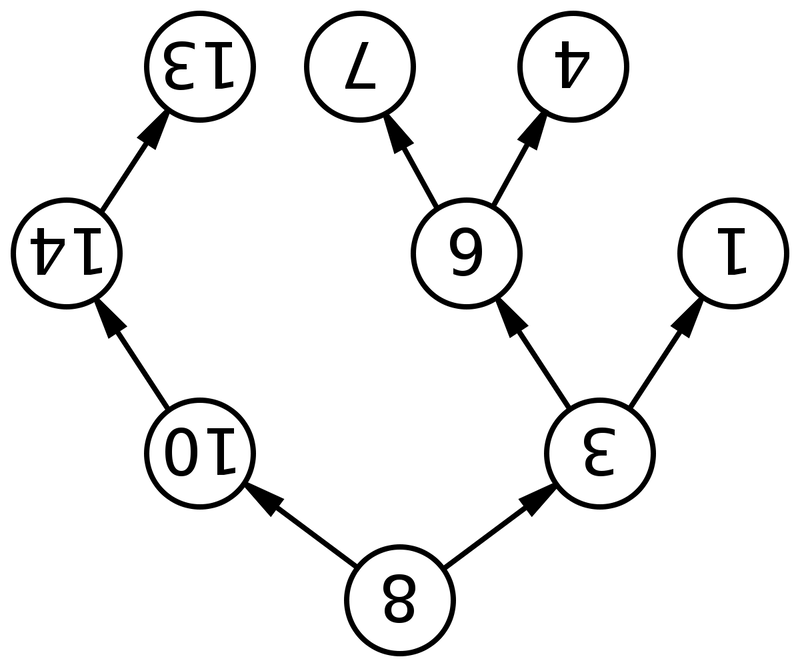
<p>“… Okay, it looks like things aren’t going so smoothly for you. That’s unexpected. You said you like pair programming and working in a team. But don’t worry, you still have a chance. We have another exercise for people like you. If you can’t work in a team, you should at least know how to invert a binary tree…”</p>

<figure>
<img src="/images/invert_tree.png" width="400px" />
<figcaption>Inverted binary tree.</figcaption>
</figure>

<p>But that’s too late. The point of no return has been reached. A self-reinforcing “dumbification” loop has been set in motion, fueled by your own awareness that you are failing.</p>

<p>Only after you get few miles away from the “predator territory”, do you begin to recover and the process reverses: stress level goes down and hormones get back to normal. Suddenly, you become smarter, think clearer, memory improves, you can code like a pro, and the world belongs to you. Unfortunately, that happens only <strong>after</strong> the interviewers have made wrong conclusions about your performance, you got a blow to your self-confidence, and both sides wasted hours of precious time.</p>

<h3 id="conclusion">Conclusion</h3>

<p>If you want to assess someone’s coding skills, you should let that person code in a safe environment. The required degree of safety varies depending on our individual differences. For the vast majority of engineers, coding in their comfy home office, when Big Brother is not watching, is the best way to show off their skills. Therefore a well-crafted <a href="https://github.com/sizovs/awesome-homework-for-java-developers">homework</a> – not too hard yet not overly simplistic – is probably the most effective and inclusive of all testing approaches.</p>

<p>💡 Few remarks about a homework:</p>

<blockquote class="twitter-tweet"><p lang="en" dir="ltr">If you ask a candidate to invest time in a coding assignment, responding with &quot;sorry, you didn&#39;t make it to the next round&quot; is not enough. You owe the candidate a detailed code review.</p>&mdash; Eduard Sizov (@eduardsi) <a href="https://twitter.com/eduardsi/status/1468248183151251459?ref_src=twsrc%5Etfw">December 7, 2021</a></blockquote>
<script async="" src="https://platform.twitter.com/widgets.js" charset="utf-8"></script>

<hr />

<blockquote class="twitter-tweet"><p lang="en" dir="ltr">If a code review is part of your hiring process, I suggest you invite all teammates and review candidates&#39; code publicly, together, in front of a large screen. Here is why:</p>&mdash; Eduard Sizov (@eduardsi) <a href="https://twitter.com/eduardsi/status/1477286111856582659?ref_src=twsrc%5Etfw">January 1, 2022</a></blockquote>
<script async="" src="https://platform.twitter.com/widgets.js" charset="utf-8"></script>

<hr />

<blockquote class="twitter-tweet"><p lang="en" dir="ltr">If you send a homework assignment to candidates as the first step of your hiring process, you have the following problems:</p>&mdash; Eduard Sizov (@eduardsi) <a href="https://twitter.com/eduardsi/status/1477516744939827202?ref_src=twsrc%5Etfw">January 2, 2022</a></blockquote>
<script async="" src="https://platform.twitter.com/widgets.js" charset="utf-8"></script>

<hr />

<p>You may also consider personalizing the process and ask people what they prefer: a homework assignment, pair programming, or something else. Such personalization gives people with different needs and life circumstances equal opportunity to show their best.</p>

<p>But, most importantly, you should constantly ask candidates what they like and dislike about your process, and integrate that feedback back into your process. Winning the battle for the best talent is not that difficult. Just listen carefully to what the talent says.</p>

<p>Thank you.</p>

<p><strong>🚀 P.S. if you want to improve and accelerate your hiring process, join my upcoming <a href="https://principal.dev">Principal Dev</a> masterclass.</strong></p>]]></content><author><name>Eduard Sizov</name></author><summary type="html"><![CDATA[I constantly meet interviewers wondering why so many programmers, including experienced ones, fail even the simplest coding tests. But it’s not programmers that fail the tests. It’s tests fail programmers. This is how it usually happens: Welcome to our technical interview! As part of our assessment process, we give candidates a stupid simple coding test. Here it is. (hands you a sheet of paper). Your coding challenge. “… It’s so simple that every good programmer should be able to complete it. Don’t worry. You’re allowed to ask questions, use Google and IDE of your choice. John, Bob, Sergey, and Gleb just want to see how you approach problem solving. We’ll be watching you from the back. No pressure.” A senior developer and four juniors are watching you writing code. In theory, all good programmers should do well. Those who failed a simple task are bad programmers. But… Due to basic psychology, even the best programmers often have difficulties with the simplest coding tasks. Not at work. But in a specially crafted “test” environments. Such test environment are very different from production environment because: 1️⃣ You’re locked in a meeting room surrounded by a group of strangers. 2️⃣ You’re on foreign territory. 3️⃣ You know you’re going to be observed and assessed. If you’re party animal, you’ll be fine. But most engineers are not like that. That causes stress. 📈 The level of stress hormones in your blood increases. Excessive adrenaline and cortisol turn on fight-or-flight mode, which, in turn, awakens and intensifies your reactive thinking (System I) and shuts down your analytical thinking (System II). In other words, you become dumb. Much dumber than you normally are at work. Without even acknowledging it. And start making stupid mistakes everywhere. Even in areas you’re exceptionally good at. “… Okay, it looks like things aren’t going so smoothly for you. That’s unexpected. You said you like pair programming and working in a team. But don’t worry, you still have a chance. We have another exercise for people like you. If you can’t work in a team, you should at least know how to invert a binary tree…” Inverted binary tree. But that’s too late. The point of no return has been reached. A self-reinforcing “dumbification” loop has been set in motion, fueled by your own awareness that you are failing. Only after you get few miles away from the “predator territory”, do you begin to recover and the process reverses: stress level goes down and hormones get back to normal. Suddenly, you become smarter, think clearer, memory improves, you can code like a pro, and the world belongs to you. Unfortunately, that happens only after the interviewers have made wrong conclusions about your performance, you got a blow to your self-confidence, and both sides wasted hours of precious time. Conclusion If you want to assess someone’s coding skills, you should let that person code in a safe environment. The required degree of safety varies depending on our individual differences. For the vast majority of engineers, coding in their comfy home office, when Big Brother is not watching, is the best way to show off their skills. Therefore a well-crafted homework – not too hard yet not overly simplistic – is probably the most effective and inclusive of all testing approaches. 💡 Few remarks about a homework: If you ask a candidate to invest time in a coding assignment, responding with &quot;sorry, you didn&#39;t make it to the next round&quot; is not enough. You owe the candidate a detailed code review.&mdash; Eduard Sizov (@eduardsi) December 7, 2021]]></summary></entry></feed>